
Online betting should be entertainment, not a source of stress or financial problems. Unfortunately, for some people, it becomes exactly that – an addiction that damages finances, relationships, and mental health. This guide exists to help you enjoy betting while keeping it under control.
We’ll discuss how to set effective limits, recognize warning signs of problem gambling, use platform tools properly, and most importantly – know when to stop or seek help. Whether you’re just starting or have been betting for years, these principles matter.
Understanding Responsible Gaming
Before we dive into specific strategies, let’s understand what responsible gaming actually means.
What is Responsible Gaming?
Responsible gaming means betting within your means and maintaining control. It’s approaching betting as entertainment with a cost, not as investment or income source. You set boundaries before you start, and you stick to them regardless of whether you’re winning or losing.
It means understanding the risks, accepting losses as part of the activity, and never betting money you can’t afford to lose. It means recognizing when betting stops being fun and becomes problematic.
Why This Matters
Gambling addiction is real and devastating. People lose homes, families, careers because they couldn’t control betting. It starts innocently – small bets for fun – but can spiral into serious problems.
The trap is subtle: You win some, you lose some, you chase losses, you bet more than planned, you borrow money, you hide your betting, you lie to family. Before you realize, you’re in deep trouble.
Prevention is infinitely easier than recovery. Building good habits from day one protects you from ever reaching crisis point. That’s why this guide is essential reading, not optional.

Setting Financial Limits
The foundation of responsible gaming is strict financial boundaries. Here’s how to set them properly.
Determine Your Entertainment Budget
Betting budget should come from disposable income only. After paying rent, bills, groceries, savings, insurance – what’s left? That’s your discretionary spending. Betting competes with movies, dining out, hobbies for that money.
A simple exercise: List your monthly income. Subtract all essential expenses and savings goals. What remains is discretionary. Betting should be small percentage of that – maybe 10-20%, not 50-100%.
Example calculation: Monthly income ₹50,000. Essential expenses ₹35,000. Savings ₹5,000. Discretionary ₹10,000. Betting budget could be ₹1,000-2,000 per month maximum.
The Loss You Can Accept
Here’s the harsh reality: you should assume you’ll lose your entire betting budget. Can you afford to lose ₹2,000 this month and feel okay about it? If losing that amount would cause financial stress, your budget is too high.
Think of it like spending ₹2,000 on entertainment. You don’t expect refund after watching movie or dining at restaurant. Betting is the same – you’re paying for the thrill, the excitement, the possibility of winning. The money might be gone.
Daily, Weekly, and Monthly Limits
Break monthly budget into smaller periods. If monthly budget is ₹2,000, that’s roughly ₹500 per week or ₹70-100 per day.
Why smaller periods matter: Prevents you from blowing entire month’s budget in one bad weekend. If you lose ₹500 this week, you’re done betting until next week. Forces cooling-off periods.
Set limits in platform: Most platforms let you set deposit limits – daily, weekly, monthly. Use these tools. Set them when you’re calm and rational, not after you’ve already been betting.
Loss Limits vs Deposit Limits
Deposit limit: Maximum you can deposit in a time period. ₹1,000 weekly deposit limit means you can’t add more than ₹1,000 to your account that week, even if you lose it all in first day.
Loss limit: Maximum you can lose in a time period. ₹500 weekly loss limit means once you’ve lost ₹500, platform stops you from betting further that week, even if you still have balance.
Use both: Deposit limit controls input, loss limit controls damage. Together they provide strong protection.
Never Increase Limits During Losing Streak
Critical rule: Only decrease limits immediately, never increase limits immediately. Want to raise your weekly limit from ₹500 to ₹1,000? Wait 48-72 hours before change takes effect.
Why the delay? In the heat of losses, you’ll want to deposit more to “win it back.” That’s emotion talking, not logic. Mandatory waiting period lets emotions settle. After 48 hours, you often realize increasing limit is bad idea.
Setting Time Limits
Money isn’t the only thing to manage. Time spent betting matters too.
Session Time Limits
Decide beforehand how long you’ll bet. Maybe 30 minutes during lunch break. Maybe 2 hours watching evening match. Set timer. When time’s up, log out. Win or lose, time limit is time limit.
Why time matters: Long betting sessions lead to fatigue, poor decisions, emotional betting. Fresh mind makes better judgments. Tired, frustrated mind chases losses.
Daily and Weekly Time Budgets
Beyond single sessions, track total time. Are you spending 4-5 hours daily on betting? That’s excessive. It’s taking time from work, family, hobbies, rest.
Healthy balance: Betting should be small part of life, not dominating force. If you’re thinking about betting constantly, checking odds compulsively, that’s warning sign.
Reality Checks
Platforms offer reality check features. Pop-up every 30 or 60 minutes showing how long you’ve been playing and how much you’ve won or lost. Use this.
In the zone? Time flies when you’re focused on betting. Hours pass without noticing. Reality checks snap you out of that zone, force conscious decision: continue or stop?
Recognizing Warning Signs
Problem gambling doesn’t happen overnight. It develops gradually through recognizable stages.
Early Warning Signs
- Betting more than intended: Planned to bet ₹500, ended up betting ₹2,000. Happens once is mistake. Happens regularly is pattern
- Chasing losses: Lost money, immediately bet more to recover it. This is emotional response, not strategy
- Borrowing to bet: Using credit cards, taking loans, borrowing from friends to fund betting. Major red flag
- Lying about betting: Hiding betting activities from family or friends. Downplaying losses. Exaggerating wins
- Neglecting responsibilities: Missing work, ignoring family time, skipping important commitments to bet
- Betting to escape problems: Using betting to forget about stress, anxiety, depression, or other life issues
Advanced Problem Signs
- Can’t stop thinking about betting: Constantly checking odds, planning next bets, reliving past bets. Betting dominates thoughts
- Mood swings related to betting: Euphoric when winning, deeply depressed when losing. Emotional state tied completely to betting outcomes
- Betting interfering with relationships: Arguments with family about money or time. Friends expressing concerns. Partner threatening to leave
- Financial problems: Late on rent, skipping bills, eating into savings, accumulating debt. Money problems directly caused by betting
- Tolerance building: Need to bet larger amounts to feel same excitement. Small bets don’t satisfy anymore
- Withdrawal symptoms: Irritability, anxiety, restlessness when not betting. Betting to relieve these feelings
The Honest Self-Assessment
Ask yourself these questions honestly:
- Do you bet more money or time than you intended?
- Have you tried to cut down or stop betting but couldn’t?
- Do you think about betting constantly even when not doing it?
- Do you bet when you’re upset, anxious, or depressed?
- Have you lied to family or friends about how much you bet?
- Has betting caused problems in your relationships?
- Do you bet to recover money you’ve lost (chasing)?
- Have you borrowed money or sold possessions to bet?
- Has betting affected your work or studies?
- Do you feel guilty or ashamed about your betting?
If you answered “yes” to even 2-3 questions, take it seriously. If you answered “yes” to 5 or more, you likely have gambling problem. Don’t ignore this. Seek help.
Using Platform Responsible Gaming Tools
Modern betting platforms offer various tools to help you stay in control. But tools only work if you actually use them.
Deposit Limits
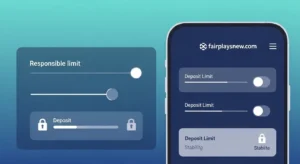
How to set: Go to account settings, find responsible gaming or limits section. Set daily, weekly, or monthly maximum deposit amounts. Changes usually need 24-48 hours to take effect if increasing, immediate if decreasing.
Best practice: Set limits when you first create account, before making any deposits. Setting them proactively, not reactively after problems start.
Loss Limits
More protective than deposit limits. Tracks net loss (deposits minus withdrawals) over period. Once you hit loss limit, can’t bet further until period resets.
Example: ₹2,000 weekly loss limit. Deposited ₹3,000, withdrew ₹1,500. Net loss is ₹1,500. Can lose another ₹500 before hitting limit.
Session Time Limits
Auto-logout feature. Set maximum session duration – 30 minutes, 1 hour, 2 hours. When time expires, platform logs you out automatically. Need to consciously log back in to continue.
Why effective: Creates natural break. In that moment between logout and logging back in, you can reassess. Do you really want to continue? Or is it good stopping point?
Reality Check Reminders
Periodic notifications during play. Pop-up showing time spent and money won/lost. Reminds you of reality when you’re in the zone.
Set frequency: Every 15, 30, or 60 minutes. More frequent for beginners or recovering problem gamblers. Less frequent for experienced controlled bettors.
Self-Exclusion
Temporary exclusion: Block yourself from platform for 24 hours, 1 week, 1 month, 3 months. During this period, can’t access account to bet. Platform won’t let you log in.
Permanent exclusion: Close account permanently with no option to reopen. Nuclear option but necessary for serious addiction cases.
When to use: Feeling loss of control? Take week-long break. Need longer reset? Take month. Can’t control betting at all? Permanent exclusion might be necessary.
Important: Exclusion from one platform doesn’t prevent you from using others. For comprehensive exclusion, you need national self-exclusion programs that work across platforms.
Activity Statements
Detailed reports of betting activity. How much deposited, withdrawn, won, lost. Time spent betting. Which games played most.
Review regularly: Monthly review of statements shows patterns. Are losses increasing? Is time spent growing? Statements don’t lie. Numbers reveal truth that emotions might hide.
Strategies to Maintain Control
Beyond platform tools, personal strategies matter.
Separate Betting Money
Physical separation helps mental separation. Create separate account or wallet just for betting. Transfer monthly betting budget there. When it’s empty, you’re done for the month.
Why this works: Seeing specific betting account go to zero is clearer signal than tracking expenses in mixed account. Clear boundary between betting money and living money.
Never Bet While Emotional
Emotion is enemy of smart betting. Angry after bad day at work? Don’t bet. Celebrating something and feeling invincible? Don’t bet. Depressed and looking for escape? Definitely don’t bet.
Bet only when calm and rational. If you catch yourself betting because of how you feel rather than logical analysis, stop. Walk away. Come back when emotions settle.
Take Regular Breaks
Mandatory breaks prevent habituation. Even if things are going well, take periodic breaks. One week per month, don’t bet at all. See how you feel. Do you miss it obsessively? That’s warning sign.
Vacation from betting: Just like work vacation, betting vacation refreshes perspective. Distance helps you see if betting enhances life or dominates it.
Balance Betting with Other Activities
Betting shouldn’t be only hobby. Maintain other interests – sports, reading, cooking, socializing, exercising. Diverse interests prevent betting from becoming all-consuming.
Social life matters: Spending time with people who don’t bet keeps you grounded. They remind you there’s more to life than checking odds and watching matches for betting purposes.
Never Chase Losses
This deserves repetition because it’s most common mistake. You lost ₹1,000. Instinct says “bet ₹2,000 to win it back fast.” That’s not strategy, that’s desperation.
Accept losses: Lost money is gone. Trying to recover it by betting more usually results in losing even more. Break the cycle. Accept the loss. Stop for the day.
Keep Betting and Life Separate
Don’t mix betting with work, family time, important commitments. Checking betting app during family dinner? That’s problem. Placing bets during work hours? Problem. Missing child’s school event to watch match you bet on? Serious problem.
Compartmentalize: Betting has its place and time. Outside that, live your normal life without constantly thinking about betting.
The Psychology of Problem Gambling
Understanding why gambling becomes addictive helps prevent it.
How Gambling Addiction Develops
Variable reward schedule: You don’t win every time. You win sometimes. This unpredictability is exactly what makes gambling addictive. Brain loves uncertain rewards more than certain ones.
Near misses: Almost winning feels like winning to your brain. Team lost by 1 run? Player missed century by 3 runs? These near misses keep you betting, thinking “I was so close!”
The big win memory: Most gamblers had one significant win early on. Brain remembers that win vividly, ignores or minimizes all the losses. You chase that feeling of winning big again.
Illusion of control: You research teams, analyze statistics, develop “systems.” You feel in control. Reality? Long-term, house edge and luck dominate. Feeling of control is illusion.
Cognitive Distortions in Gambling
“I’m due for a win”: Gambler’s fallacy. Lost 5 times in a row, think you’re “due” to win next time. Each bet is independent event. Previous losses don’t make future wins more likely.
“I can stop any time”: While actively gambling and losing, you think you can quit whenever you want. Many people genuinely believe this while being unable to actually stop.
“I’m just entertainment betting”: Saying it’s just for fun while showing signs of addiction. If it’s just entertainment, why are you stressed? Why are you chasing losses? Why are you hiding it?
“I can win back my losses”: Belief that with right bet or enough bets, you’ll recover all losses. This is fundamental misunderstanding of probability and house edge.
Breaking These Patterns
Awareness is first step. Recognize these thoughts when they appear. “Wait, am I thinking I’m due for a win? That’s fallacy.” Catching yourself in distorted thinking helps break cycle.
Reality testing: Look at actual data – your betting history. Are you actually winning long-term? Or is your memory selective? Numbers tell truth.
Professional help: Cognitive behavioral therapy specifically designed for gambling addiction addresses these distortions systematically. If you can’t break patterns alone, therapist can help.
When and How to Seek Help
Admitting you need help isn’t weakness. It’s strength and wisdom.
When to Seek Professional Help
Don’t wait until you’ve lost everything. If you’re experiencing several warning signs we discussed earlier, that’s enough reason to seek help.
Specific triggers for seeking help:
- Unable to stop or reduce betting despite wanting to
- Betting is causing serious financial problems
- Relationships suffering because of betting
- Work or studies affected by betting
- Experiencing anxiety or depression related to betting
- Thoughts of self-harm due to gambling losses
If you’re having thoughts of self-harm, seek help immediately. Call emergency helplines. Mental health crisis centers are available 24/7. Your life matters more than any gambling debt.
Types of Help Available
Counseling and therapy: Professional therapists trained in gambling addiction. Cognitive behavioral therapy (CBT) has proven effectiveness for treating gambling problems.
Support groups: Gamblers Anonymous and similar groups. Meet others facing same issues. Shared experiences, mutual support, accountability.
Helplines: Anonymous phone counseling. Trained counselors who understand gambling addiction. Can provide immediate support and guidance.
Residential treatment: For severe addictions. Inpatient programs that remove you from gambling environment while you receive intensive treatment.
Financial counseling: If gambling created debt problems. Professional help managing debt, creating recovery plan, rebuilding finances.
Resources in India
National helplines: Various organizations offer helplines for gambling addiction support. Many operate 24/7 and provide confidential counseling.
Mental health professionals: Psychiatrists and psychologists trained in addiction treatment. Available in major cities. Online therapy increasingly available.
De-addiction centers: Some centers treating alcohol and drug addiction also handle gambling addiction.
Online resources: Websites offering information, self-assessment tools, coping strategies. Forums where people share recovery experiences.
Talking to Family and Friends
Isolation makes addiction worse. Hiding your problem prevents you from getting support. Having honest conversation with trusted person helps.
How to start conversation: Choose person you trust. Pick private, calm moment. Be honest – don’t minimize problem. Explain how you’re feeling. Ask for their support.
What to say: “I’ve been having problems with gambling. It’s affecting my life and I need help. Can I talk to you about it?” Direct, honest, vulnerable.
Their reaction might surprise you. Fear of judgment keeps people silent. Often, loved ones are relieved you’re addressing problem. They’ve probably noticed signs already.
Recovery is Possible
Many people recover from gambling addiction. Treatment works. Support helps. It requires commitment, honesty, and consistent effort. But recovery is absolutely achievable.
Recovery isn’t linear: There might be setbacks. Relapse is common. That doesn’t mean failure. It means you need additional support or different approach. Keep trying.
Life after gambling addiction: Many recovered gamblers report better quality of life – improved relationships, financial stability, reduced stress and anxiety, more time for meaningful activities.
For Family Members and Friends
If you’re concerned about someone’s gambling, here’s how to help.
Recognizing Problem Gambling in Others

- Financial changes: Borrowing money frequently, selling possessions, sudden financial stress, unpaid bills
- Behavioral changes: Secretive about phone/computer use, missing work or events, mood swings, lying about whereabouts
- Time changes: Spending excessive time on phone, constantly checking scores, watching all matches
- Relationship strain: Defensive when asked about gambling, arguments about money, withdrawing from family time
How to Approach Someone
Choose right time and place: Private conversation, when both calm. Not during argument or when they’re actively betting.
Express concern, not judgment: “I’m worried about you” not “You have a problem.” Share specific observations without accusing.
Listen more than talk: They might be defensive initially. Let them explain. Don’t interrupt. Show you’re trying to understand, not attack.
Offer support: “How can I help?” not “You need to stop.” Offer to help find resources, attend counseling with them, provide accountability.
What Not to Do
- Don’t enable: Lending money to cover gambling debts enables addiction. Tough love necessary sometimes
- Don’t take control: Can’t force someone to stop gambling. They need to want recovery
- Don’t make threats you won’t follow: “Stop or I’ll leave” – only say if you mean it
- Don’t ignore the problem: Hoping it goes away doesn’t work. Problems escalate if unaddressed
Supporting Recovery
Be patient: Recovery takes time. There will be setbacks. Continue supporting even when it’s frustrating.
Learn about gambling addiction: Understanding addiction helps you support better. Read resources, attend support groups for families.
Take care of yourself: Supporting someone with addiction is stressful. You need support too. Consider counseling for yourself.
Celebrate progress: Small victories matter. Week without gambling? Month without relapse? Acknowledge these achievements.
Maintaining Long-Term Responsible Gaming
Even if you don’t have gambling problem now, maintaining good habits prevents future issues.
Regular Self-Checks
Monthly review: Check betting spending, time spent, win/loss ratio. Are you staying within limits? Are habits healthy?
Ask yourself: Is betting still fun? Or is it stressful? Am I in control? Or is it controlling me?
Update Limits as Life Changes
Life circumstances change. New job with higher income? Can responsibly increase betting budget slightly. Lost job or had baby? Decrease or eliminate betting budget.
Limits should reflect current reality, not past circumstances. Flexibility is good, but always lean toward conservative side.
Stay Educated
Continuously learn about responsible gaming. New research emerges. New tools become available. Stay informed about best practices.
Read stories: Both success stories of controlled gambling and cautionary tales of addiction. Reminders of both possibilities keep you grounded.
Community and Accountability
Having accountability partner helps. Friend or family member who knows your limits and checks in occasionally. “How’s your betting going? Staying within budget?”
Honest relationship: Person you trust enough to be honest with. If you’re struggling, you can tell them without shame.
Final Thoughts on Responsible Gaming
Betting can be entertainment, but only if you maintain control. The moment it controls you – when you’re betting more than you should, hiding it, chasing losses, feeling anxious about it – it’s no longer entertainment. It’s a problem.
Every guideline in this article serves one purpose: keeping betting as fun activity that enhances life rather than destructive habit that damages it. Set limits before you need them. Recognize warning signs early. Seek help without shame if needed.
You’re not invincible. Doesn’t matter how educated you are, how much self-control you think you have. Gambling addiction can affect anyone. Respect the risk. Take precautions seriously.
Remember these core principles:
- Never bet more than you can afford to lose
- Set limits before you start, stick to them
- Never chase losses – accept them and move on
- Take regular breaks from betting
- Never bet while emotional or under influence
- Keep betting separate from important life areas
- Watch for warning signs in yourself and others
- Seek help early if problems develop
- Recovery is possible with proper support
Above all, be honest with yourself. Denial is addiction’s best friend. If you’re questioning whether you have problem, take that question seriously. Better to overreact to small concern than ignore actual problem.
Betting wisely means knowing when to bet, how much to bet, and most importantly – when to stop.
If you’re struggling: Don’t wait. Reach out for help today. Call a helpline, talk to someone you trust, or contact a professional. Your wellbeing is more important than any bet. Recovery is possible, and support is available.